Expert upholstery protection methods used by removals crews
Upholstery damage is one of those moving-day problems that can feel small until it happens. A scuffed arm, a damp patch, a torn seam, and suddenly the whole room feels off. That is why Expert upholstery protection methods used by removals crews matter so much: they reduce friction, block dirt, prevent moisture transfer, and keep sofas, armchairs, dining chairs, and soft furnishings looking like they did before the van doors closed.
In practice, good protection is rarely just one product. It is a system. Crews combine clean wrapping materials, careful handling, sensible loading, and a bit of judgement that comes from experience. And yes, that judgement matters more than people think. A corner guard in the wrong place, or a sofa wrapped too tightly, can create a new problem. The aim is simple: move the item safely without trapping grit, bending frames, or marking fabric.
This guide breaks down how removals crews protect upholstery in real jobs, what works best for different materials, where things go wrong, and how to judge whether the protection standard is good enough for your move. If you are arranging a home move, booking house removalists, or comparing support for a larger relocation, it helps to know what proper care looks like before the first item leaves the hallway.
Table of Contents
- Why upholstery protection matters
- How the protection process works
- Key benefits and practical advantages
- Who needs this and when it makes sense
- Step-by-step guidance
- Expert tips for better results
- Common mistakes to avoid
- Tools, resources and recommendations
- Law, compliance, standards and best practice
- Options, methods and comparison table
- Case study or real-world example
- Practical checklist
- Conclusion
- Frequently asked questions
Why Expert upholstery protection methods used by removals crews Matters
Upholstery is awkward to move because it combines several vulnerabilities at once. Fabric picks up dust easily, leather can mark or crease, exposed timber feet chip, and springy cushions shift under pressure. During a move, the item is not just sitting still in a clean living room. It is being turned, tilted, carried through doorways, stacked in a vehicle, and often handled in less-than-ideal weather. One wet loading bay in a Manchester-style drizzle, or a narrow stairwell on a cold morning in London, and the risk changes quickly.
The reason professional protection matters is not just cosmetic. Protecting upholstery also helps avoid hidden structural strain. A sofa dragged by one arm can twist its frame. A dining chair stacked under heavier furniture can crack a leg. Even a brief brush against a dirty van wall can leave a mark that is difficult to remove later. To be fair, most damage is preventable if crews use the right methods consistently.
There is also a customer confidence angle. People want to know their belongings are being treated properly, especially for expensive sofas, heritage pieces, or recently cleaned items. A crew that protects upholstery well tends to move with more care overall. It is usually a good sign. Not a guarantee, of course, but a good sign.
Expert summary: The best upholstery protection is not about wrapping everything as fast as possible. It is about choosing the right material, keeping it clean and dry, preventing pressure points, and loading the item so it stays protected from start to finish.
How Expert upholstery protection methods used by removals crews Works
Crews normally protect upholstery in layers. The outer layer shields against dust, surface scuffs, and moisture. The middle layer cushions contact points and reduces rubbing. The final stage is loading and positioning, where the item is secured so it cannot slide, tilt, or get crushed.
The exact approach depends on the item. A fabric three-seater sofa needs different handling from a leather recliner, and an antique dining chair is not treated like a modern office visitor chair. Skilled removal teams assess the item first, then decide whether they need furniture blankets, stretch wrap, dust covers, quilted pads, corner protectors, webbing straps, or a combination of these.
Here is the basic logic removals crews follow:
- Inspect the upholstery type, size, finish, and weak points.
- Remove loose items such as cushions, throws, and detachable legs if appropriate.
- Clean off visible grit or crumbs before wrapping, because grit under wrap can act like sandpaper.
- Use a breathable or suitable protective layer where needed, especially for leather or delicate fabrics.
- Add padding to high-contact areas such as arms, corners, and feet.
- Secure the item without over-compressing the upholstery.
- Load it upright or in the safest orientation available, then restrain it properly inside the vehicle.
That last part is where many DIY moves go sideways. The wrapping may be fine, but if the sofa slides on a sharp bend or gets wedged under a wardrobe, the protection no longer matters. In other words, the wrapping is only half the job.
Key Benefits and Practical Advantages
When crews use proper upholstery protection, the gains are immediate and practical. You notice it in the little things: cleaner fabric, fewer awkward unpacking moments, less time spent checking for marks, and less chance of that sinking feeling when an item is unwrapped on the other side.
- Lower risk of scuffs and fabric snagging: Protective wraps and blankets stop rough contact with walls, stairs, van interiors, and other furniture.
- Better moisture control: Good coverings help reduce exposure to light rain, damp floors, and condensation.
- Reduced dirt transfer: Clean materials keep household dust, van residue, and moving-day grime away from the fabric.
- Less frame stress: Careful handling and the right support reduce twisting and bending.
- Faster unpacking: Good protection often means less cleaning or repair work after delivery.
- Better value for money: Preventing damage is almost always cheaper than trying to fix a stained or torn item later.
There is another benefit people sometimes overlook: confidence. If a removals team protects upholstery properly, they usually bring the same discipline to glass, white goods, and fragile boxes. That consistency is worth paying attention to when you are choosing between services such as man and van support or a more fully managed move with packing help. The right service level depends on the job, but good handling should never feel optional.
Who This Is For and When It Makes Sense
This is relevant to almost anyone moving upholstered furniture, but some situations need extra care. If you have recently bought a new sofa, own a leather suite, are moving items after a deep clean, or need to transport high-value seating, a stronger protection plan is sensible from the start.
It also makes a big difference if:
- you are moving through tight staircases or narrow hallways;
- the property has long walks from front door to vehicle;
- the weather is wet, windy, or unpredictable;
- you have children's furniture, pet-worn fabric, or easily marked pale upholstery;
- the item has detachable feet, delicate trims, or decorative wood;
- you are dealing with commercial waiting-room seating or soft seating in an office relocation.
For business moves, protection becomes even more important because the furniture may need to look presentable immediately after delivery. That can apply to reception seating, breakout furniture, and boardroom chairs. If you are planning a wider relocation, services such as commercial moves and office relocation services often need more structured wrapping and loading routines than a simple single-item collection.
There are times when heavy-duty protection is not essential, to be fair. A short, dry local move with a basic sturdy armchair may only need clean removal blankets and careful carrying. But once the item becomes awkward, valuable, or weather-exposed, stronger methods are worth it.
Step-by-Step Guidance
Below is the practical process a careful removals crew would usually follow. Not every job needs every step, but the sequence is a useful guide if you are checking standards or planning your own move.
1. Inspect and identify the material
Start with the basics: fabric, leather, velvet, faux leather, suede-style finishes, or mixed materials. The reason is simple. Different fabrics react differently to pressure and moisture. Velvet, for example, can show crushing or shading if it is handled roughly, while leather may need protection that avoids trapping heat and moisture for too long.
2. Remove loose and detachable parts
Cushions, throws, removable legs, and cushions with zips should be separated where appropriate. This makes the item lighter, easier to handle, and less likely to catch on a doorway or banister. Tiny detail, big difference.
3. Clean off dust and grit
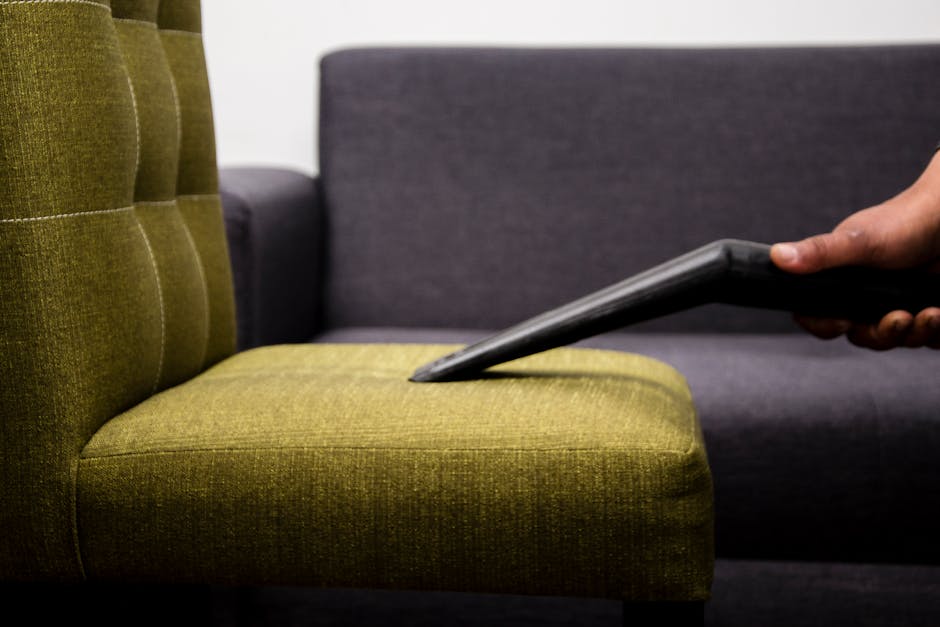
A soft brush, lint roller, or vacuum with a suitable upholstery attachment may be used before wrapping. This prevents dirt from being rubbed into the fabric during transit. It is one of those unglamorous steps that saves headaches later.
4. Apply the first protective layer
Depending on the item, crews may use a breathable dust cover, clean quilted blanket, or specialist furniture wrap. For delicate finishes, breathable protection can be preferable to sealing the item too tightly. The aim is to keep the surface clean while allowing the material to behave naturally.
5. Pad corners, arms, and feet
Corners and feet are often where damage starts. A well-placed pad or corner protector can absorb impact from walls and adjacent furniture. On sofas, the arms and lower edges are common contact points, especially when navigating stairs.
6. Secure without over-tightening
Wraps should stay in place, but not so tight that they distort cushions or compress the frame. Over-tight wrapping can leave creases, especially on leather or soft fabric. This is a subtle point, and crews with experience usually get it right by touch rather than rulebook alone.
7. Load carefully into the vehicle
Upholstery should be kept away from wet floors, dirty tools, heavy boxes, and sharp edges. Where possible, the furniture is loaded upright and restrained so it does not shift. In some jobs, a moving truck with decent internal loading space makes a noticeable difference. If you are comparing vehicle options, a suitable moving truck or removal truck hire can be more practical than trying to squeeze upholstery into a crowded van.
8. Unwrap only after placement
Protection should stay on until the item is safely inside the property and placed where it belongs. That final stretch matters. It is usually when people get impatient, and impatience is where mishaps creep in.
Expert Tips for Better Results
If you want better upholstery protection, the little decisions matter. Here are the ones experienced crews tend to rely on.
- Use clean materials only. A dirty blanket is not protection; it is just another source of marks.
- Match the wrap to the fabric. Delicate, textured, or high-shine upholstery needs more careful treatment than standard hard-wearing fabric.
- Protect before the weather turns. Do not wait until rain starts and everyone is standing on the pavement muttering.
- Keep a separate set of materials for upholstery. This avoids dust and debris from general furniture or appliance moves.
- Mind the feet and trims. Decorative wooden legs and metal studs chip easily.
- Ask about loading order. Upholstery should not be buried under heavy, rigid items.
- Check access points first. Tight turns, low ceilings, and awkward landings often cause the real risk.
A useful habit is to treat the item as if it will be seen in bright daylight on arrival. Because it usually will. Morning sunlight through a front window can show every little brush mark, and that is a helpful reality check for both crews and customers.
One more thing: if you are arranging a larger move, consider whether the crew also offers packing and unpacking services. Good packing support often means better overall protection standards, because the same careful mindset carries through to furniture handling.
Common Mistakes to Avoid
Most upholstery damage does not come from some dramatic accident. It comes from a cluster of smaller mistakes. Here are the ones worth watching for.
- Wrapping a dirty item: dust and grit get trapped and rubbed into the surface.
- Using plastic incorrectly: some materials can trap moisture or create heat issues if left on too long, especially for certain fabrics and leather items.
- Failing to remove loose parts: cushions and legs can snag, fall, or get crushed.
- Loading near sharp edges: tools, box corners, and metal fittings can all mark upholstery.
- Compressing the sofa too tightly: this can leave lasting impressions or stress seams.
- Ignoring weather conditions: one short dash through rain can undo a lot of good wrapping.
- Assuming all furniture blankets are equal: thin, worn, or dirty blankets are not enough for valuable upholstery.
There is also a common customer-side mistake: assuming that any moving service will automatically protect soft furnishings to the same standard. That is not always true. It is fair to ask what materials are used, how they are applied, and how items are secured during transit. A straightforward question, really.
Tools, Resources and Recommendations
Removals crews usually rely on a small but effective set of tools. The kit does not need to be flashy. It needs to be clean, reliable, and ready to do boring jobs properly, which is secretly where the magic lives.
| Tool or material | What it does | Best use |
|---|---|---|
| Furniture blankets | Cushion contact points and reduce scuffs | Sofas, armchairs, dining chairs, general soft furnishings |
| Breathable dust covers | Keep dust off while allowing some airflow | Leather, fabric, and items stored briefly before loading |
| Stretch wrap | Helps hold blankets or covers in place | Secondary securing layer on suitable items |
| Corner protectors | Reduce impact at vulnerable edges | Decorative furniture and exposed corners |
| Webbing straps | Secure the item in the vehicle | Preventing movement in transit |
| Soft lifting straps | Help crews carry awkward pieces more safely | Stairs, tight corners, and longer carries |
For customers, the best practical resource is often a pre-move conversation. Ask how the team handles upholstery, whether they bring their own blankets, and how they treat delicate finishes. If you are comparing services, the pricing and quotes page can help you think through what level of support makes sense for your move. And if sustainability matters to you, it is also worth considering whether materials are reused responsibly; the company's approach to recycling and sustainability may tell you something useful about how they work more generally.
Sometimes a smaller service is enough, especially for single items or lighter loads. In those cases, man with van support may fit the job if the crew still uses proper wrapping and loading discipline. The service type matters less than the handling standard, truth be told.
Law, Compliance, Standards, or Best Practice
Upholstery protection sits within broader moving best practice rather than one single dedicated law. That said, UK removals work still has to be carried out safely and responsibly. Crews should handle goods in a way that avoids foreseeable damage and reduces risk to people and property. In plain English: don't rush, don't overload, don't use dirty kit, and don't pretend a bad wrap job is fine just because the van left on time.
For a professional business, the broader expectations usually include sensible health and safety practices, suitable insurance, clear terms, secure payment handling, and fair complaint routes. Those are all signs of a company that thinks beyond the one-day move. If you are checking a provider, pages such as insurance and safety, health and safety policy, payment and security, and complaints procedure can help you understand how they handle the less visible parts of the job.
For commercial customers, especially offices and shared buildings, the same logic applies with more people involved. A well-run move respects access rules, manages risks in common areas, and avoids blocking routes or leaving debris behind. If furniture is being removed rather than relocated, furniture pick-up can be relevant too, particularly when items still need to be protected during collection and handling.
The short version? Good upholstery protection is not just a nice extra. It is part of doing the job properly.
Options, Methods, or Comparison Table
Not every upholstery item needs the same level of protection. Here is a simple comparison that shows how crews usually match the method to the job.
| Method | Strengths | Limitations | Best for |
|---|---|---|---|
| Clean furniture blanket | Quick, reusable, good general protection | Needs secure fastening and careful handling | Standard sofas and armchairs |
| Breathable dust cover | Good for dust and short-term protection | Less impact resistance than padding | Leather and delicate upholstery |
| Stretch wrap over blanket | Keeps layers in place during movement | Can be too tight if used carelessly | Transport where the item is likely to shift |
| Corner and edge padding | Targets the most vulnerable points | Needs correct placement to work well | Furniture with wood trims or exposed edges |
| Full packing approach | Highest protection for valuable items | Takes more time and materials | Premium, antique, or high-risk pieces |
For many domestic moves, a mixed approach works best. A blanket for impact, a cover for dust, and proper straps in the truck. For office relocations, the protection plan may also need to fit around wider building movement and timed access. That is where experienced crews usually earn their keep.
Case Study or Real-World Example
Picture a typical Saturday morning move: a three-piece fabric suite, one leather dining bench, and two upholstered office chairs. The house is a Victorian terrace with a narrow staircase and a slight turn halfway up. Outside, the sky is doing that London thing where it cannot quite decide whether to rain.
A careful crew would usually start by checking the feet, seams, and loose cushions. They would brush off crumbs and dust, then cover each item with a clean blanket or suitable dust cover depending on the material. The leather bench would get a more breathable treatment, with attention paid to preventing pressure marks. The chairs, being lighter but more awkward, would be padded at the legs and secured so they would not swing or twist when carried.
During loading, the suite would be kept away from stacked boxes and anything with sharp edges. The items would be placed so they cannot slide if the van brakes suddenly. Once at the destination, the crew would bring the furniture in before unwrapping it, because nobody wants a damp corner or a muddy hallway mark at the final hurdle. A lot of protection failures happen in the last ten minutes, oddly enough.
The end result is not flashy. That is the point. The furniture arrives, looks right, and the customer gets on with the rest of the day without worrying about repair shops or stains. Simple. But not easy, and that is the difference.
Practical Checklist
Use this checklist before your removal crew starts on upholstered items.
- Identify every upholstered item that needs protection.
- Check whether fabric, leather, velvet, or mixed materials are involved.
- Remove loose cushions, throws, and detachable legs where appropriate.
- Make sure the item is free from dust, crumbs, and loose grit.
- Confirm that the crew has clean blankets or covers ready.
- Ask how they protect corners, feet, and exposed trims.
- Check whether the loading plan keeps upholstery away from sharp or dirty items.
- Ask if weather protection is included for door-to-vehicle transfers.
- Make sure the item will stay wrapped until it is placed inside the new property.
- Take a quick photo of high-value pieces before the move, just in case.
If you are arranging a move with a fuller support package, it may also help to review the company's broader services. Depending on your situation, man and van, home moves, or even a larger vehicle through removal truck hire can all be part of a sensible setup. The right fit depends on volume, access, and how much handling your furniture needs.
Conclusion
Good upholstery protection is one of those quiet signs that a removals crew knows what it is doing. You do not always notice it while the work is happening. You notice it later, when the sofa is in place, the fabric still looks clean, and there is no awkward conversation about a scuffed arm or a damp patch.
The best methods are not complicated, but they do require discipline: clean materials, the right cover for the right fabric, careful padding, and loading that respects the shape and weakness of the item. That is the heart of Expert upholstery protection methods used by removals crews. Not perfection. Just careful, consistent work done properly.
So if you are planning a move, take a moment to ask the right questions and choose the team that treats soft furnishings as something worth protecting. It makes the whole day calmer, and honestly, calmer is underrated.
Get a free quote today and see how much you can save.
Frequently Asked Questions
What are the best upholstery protection methods used by removals crews?
The best methods usually combine clean furniture blankets, breathable covers, padding on corners and feet, and secure loading in the vehicle. The exact mix depends on the material and the risk level.
Do removals crews wrap sofas in plastic?
Sometimes, but not always. Plastic can help in some situations, though it is not ideal for every fabric or leather item if it is left on for too long. Many crews prefer breathable covers or blankets for better all-round protection.
How do movers protect leather sofas?
Leather sofas are usually protected with clean, non-abrasive covers that reduce dust and surface contact without trapping moisture unnecessarily. Crews also avoid over-compressing the cushions or folding the leather sharply.
Should cushions be removed before moving upholstery?
Yes, where practical. Removing cushions makes the furniture lighter and easier to carry, and it reduces the chance of items snagging or shifting during transit.
Can upholstery get damaged just by being wrapped too tightly?
Yes. Over-tight wrapping can leave compression marks, distort cushions, or stress seams. Protection should hold the item safely without squeezing it into shape.
What should I ask a removals company about furniture protection?
Ask what materials they use, whether they bring clean blankets, how they protect delicate fabrics, and how they secure items in the van or truck. Clear answers are usually a good sign.
Is upholstery protection included in every moving service?
Not necessarily. The level of protection can vary by service type and provider. It is sensible to confirm what is included before the move starts.
How do crews protect upholstery in wet weather?
They try to reduce exposure during the short walk from property to vehicle, use suitable covers, and load items promptly. Planning the route and having protection ready before the weather turns helps a lot.
Is it worth paying more for better upholstery protection?
For valuable, delicate, or newly cleaned furniture, yes, usually. Better protection can reduce the risk of stains, scuffs, and costly repairs. For a basic local move, a simpler setup may be enough if it is still handled properly.
What is the biggest mistake people make with upholstered furniture during a move?
The biggest mistake is probably assuming that soft items are somehow tougher than they look. Upholstery can be surprisingly vulnerable to dirt, pressure, and moisture, especially when corners, feet, and seams are exposed.
Can office seating and domestic sofas be protected the same way?
Not always. The general principles are similar, but office seating may need faster handling and better coordination with building access, while domestic sofas often face tighter stairwells and home-specific obstacles.
How can I check whether a removals crew is careful with upholstery?
Look for practical signs: clean materials, a clear loading plan, sensible answers to your questions, and a calm approach on moving day. Careful crews usually work in a measured way rather than rushing every step.
Choosing the right moving support can feel like a lot, especially when the furniture matters to you. But once you understand the protection methods, the whole process gets easier to judge. And that is reassuring, properly so.