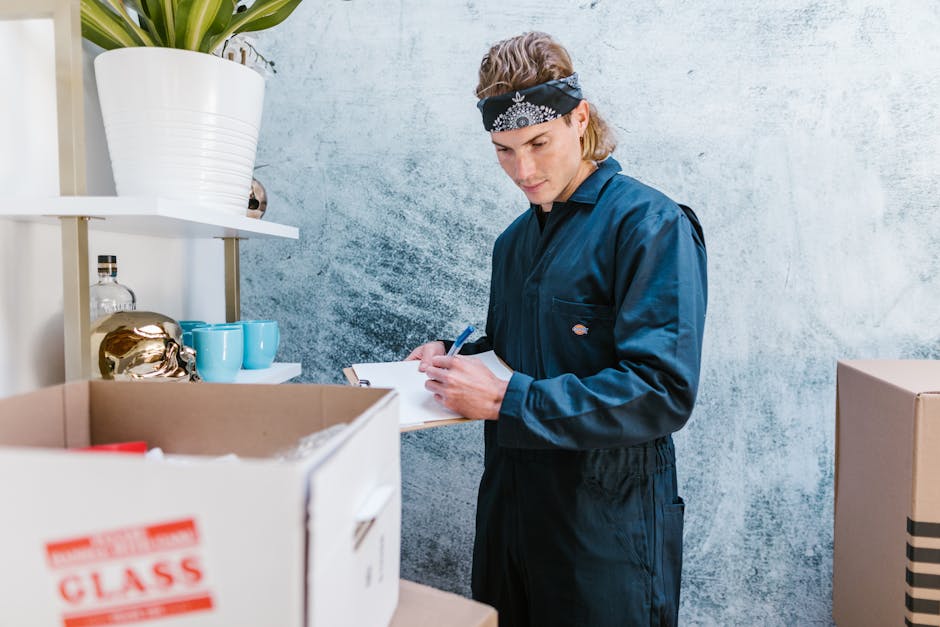
Essential checklist for moving fragile antiques without damage
Moving fragile antiques is not just a packing job. It is a careful sequence of decisions that protects history, craftsmanship, and often genuine sentimental value. Whether you are moving a Victorian mirror, a porcelain collection, an ornate side table, or a family heirloom that has survived generations, the essential checklist for moving fragile antiques without damage starts long before anything goes into a box.
The real risk is rarely one dramatic mistake. It is the small ones: the wrong wrapping material, a box that is too large, a rushed lift, a wet driveway, a van with no padding, or a moment of overconfidence. Antiquities and decorative pieces can look sturdy, yet many are more vulnerable than modern furniture because of age, brittle finishes, hidden joints, and prior repairs.
This guide gives you a practical, detailed way to plan, pack, load, and transport delicate antiques with far less stress. It also shows where a professional moving service, such as home moves or packing and unpacking services, can make the process safer and easier. If your move involves awkward pieces, multiple floors, or valuable items, a specialist approach is usually worth considering.
Expert takeaway: antiques are moved safely when every step supports the next one. Good packing cannot compensate for poor handling, and careful handling cannot compensate for weak packing. Treat the whole move as one system.
Table of Contents
- Why this checklist matters
- How the moving process works
- Key benefits and practical advantages
- Who this is for and when it makes sense
- Step-by-step guidance
- Expert tips for better results
- Common mistakes to avoid
- Tools, resources and recommendations
- Law, compliance, standards and best practice
- Options, methods, and comparison table
- Case study or real-world example
- Practical checklist
- Conclusion
- Frequently asked questions
Why Essential checklist for moving fragile antiques without damage Matters
Antiques are different from standard household goods. They often combine age, fragility, irregular shape, and limited replaceability. A chip in a modern shelf is annoying; a crack in a hand-painted ceramic vase or a split in a veneered cabinet can permanently change both value and character. That is why moving antiques safely is less about brute care and more about methodical preparation.
The checklist matters because damage often happens in predictable ways. Dust and grit can scratch polished surfaces. Loose lids can collide with containers. Temperature swings can make old wood expand or contract. Poor lifting technique can stress joints that were already fragile. Even a piece that "seems fine" can be weakened by vibration over the course of a drive.
For many people, antiques also carry family significance that cannot be priced. You may not be moving a museum collection, but the emotional stakes can feel just as high. That changes the decision-making. Rather than asking, "How do I move this quickly?" the better question is, "What is the safest possible sequence from room to destination?"
In practical terms, the right plan reduces the chance of panic on moving day. It also helps you decide whether you can manage the task yourself or whether it is sensible to use a more experienced team, such as a man and van service for smaller local moves or a larger vehicle through removal truck hire for bigger loads.
How Essential checklist for moving fragile antiques without damage Works
The process works by breaking a risky task into controlled stages. Instead of trying to protect everything at once, you create layers of protection: assessment, preparation, wrapping, boxing, labelling, loading, transport, unloading, and inspection. Each layer reduces one type of risk.
First, identify what the item is made from. Wood, glass, ceramic, metal, marble, lacquer, and mixed-material antiques all behave differently. A carved wooden chair may need joint support, while a mirror needs edge and face protection. A porcelain figurine needs cushioning that prevents impact but does not put pressure on delicate parts. Old repairs matter too. A previous glue repair or hairline crack can be the weak point that fails under vibration.
Next, determine whether the item should be moved intact, partially dismantled, or transported separately from accessories. Loose shelves, mirrors, keys, trays, glass panels, and removable ornaments should usually be packed apart and labelled clearly. If you have ever opened a box and found "the bit that goes on top" floating around inside, you already know why this step matters.
Then comes the actual packing system. Good packing is not just "more paper." It means selecting the right materials, ensuring surfaces do not rub, preventing movement inside the box, and using a container that suits the item's size and weight. Oversized boxes are a common trap because they encourage movement. Too much room is not helpful; it is just a chance for momentum to build.
Finally, the transport stage needs equal attention. A safe van or truck should have clean, dry space, secure loading points, and enough padding to stop items shifting. Good load planning keeps fragile antiques away from heavy boxes, tools, and anything that could topple. If you are coordinating a full home move, it can help to pair this with a broader service such as house removalists or a more flexible local option like man with van.
Key Benefits and Practical Advantages
Following a structured checklist gives you more than peace of mind. It produces tangible benefits throughout the move.
- Lower breakage risk: every layer of protection reduces the chance of chips, cracks, and surface damage.
- Better packing efficiency: knowing what each item needs prevents guesswork and wasted materials.
- Cleaner handling: labelled, organised items are easier to load and unload without confusion.
- Reduced stress: the move feels manageable when each antique has a plan.
- Improved accountability: if you are using professionals, a clear checklist helps everyone understand what requires special care.
- Better insurance conversations: detailed itemisation and condition notes are useful if you need to discuss protection or claim processes.
There is also a practical scheduling benefit. Antique packing takes longer than standard packing, especially if items need inspection, disassembly, custom wrapping, or special transport positioning. Planning for that time early is much easier than trying to create it on the morning of the move.
If you are comparing services, check whether the provider offers relevant support such as insurance and safety information, clear pricing and quotes, and transparent policies. Those signals do not replace careful packing, but they do help you judge whether the move is being handled professionally.
Who This Is For and When It Makes Sense
This checklist is useful for anyone moving fragile antiques, but it becomes especially valuable in a few specific situations.
Private homeowners often need it when downsizing, renovating, or relocating after a long stay in one property. Antique furniture can be unusually awkward in narrow hallways or stairwells, and older homes often contain tight corners that make turning a large piece risky.
Collectors may need a more technical approach because the value of a piece can depend on condition, provenance, and originality. Even a small repair can matter. If you have several fragile items at once, organising them as a mini project is far safer than treating them as ordinary household goods.
Families moving inherited items often face a different challenge: they may know the emotional significance, but not the handling requirements. That is where a calm step-by-step process helps. A piece passed down through generations deserves more than a last-minute wrap in a towel, no matter how tempting that might be in the moment.
Businesses moving decorative or historic pieces, particularly in hospitality or office settings, may need to coordinate antique furniture with other assets. For larger relocations, services such as commercial moves or office relocation services can be useful when antiques are part of a wider move plan.
This approach also makes sense whenever the item is difficult to replace, difficult to repair, or difficult to carry safely. In other words: if you would hate to see it wobble, scrape, or drop, it deserves a checklist.
Step-by-Step Guidance
Below is a practical process you can follow. Use it as a moving-day workflow rather than a loose set of ideas.
1. Inspect every antique before packing
Check for loose joints, cracks, chips, peeling veneer, flaking gilding, missing screws, or unstable fittings. Make notes and take photos from several angles. If an item already has weak points, you need to know exactly where they are before you touch them again.
A quick inspection is also the right time to remove dust gently with a soft brush or microfiber cloth. Dust can turn into abrasive grit once it is trapped against a surface. That matters more than many people realise.
2. Decide whether the item should be dismantled
Some antiques travel better if they are partially taken apart. Remove shelves, glass inserts, detachable legs, or loose decorative elements if that can be done safely and reversibly. Keep all screws, fittings, and small parts in a labelled bag taped to the relevant item or packed in a separate marked container.
Do not force old fixings. If a screw resists, stop and reassess. A damaged thread or split panel will cost more to repair than the time saved by rushing.
3. Gather the right packing materials
Choose materials that cushion without scratching. Good options usually include acid-free tissue paper for delicate surfaces, glassine or plain paper for some finishes, bubble wrap for impact protection, foam sheets, moving blankets, corner protectors, and double-walled boxes for smaller objects. Avoid wrapping fine surfaces directly in printed newspaper if ink transfer is a concern.
If you need packing help, it is worth looking at professional packing support rather than improvising with random household materials. The wrong wrapper is a small mistake with large consequences.
4. Wrap each item individually
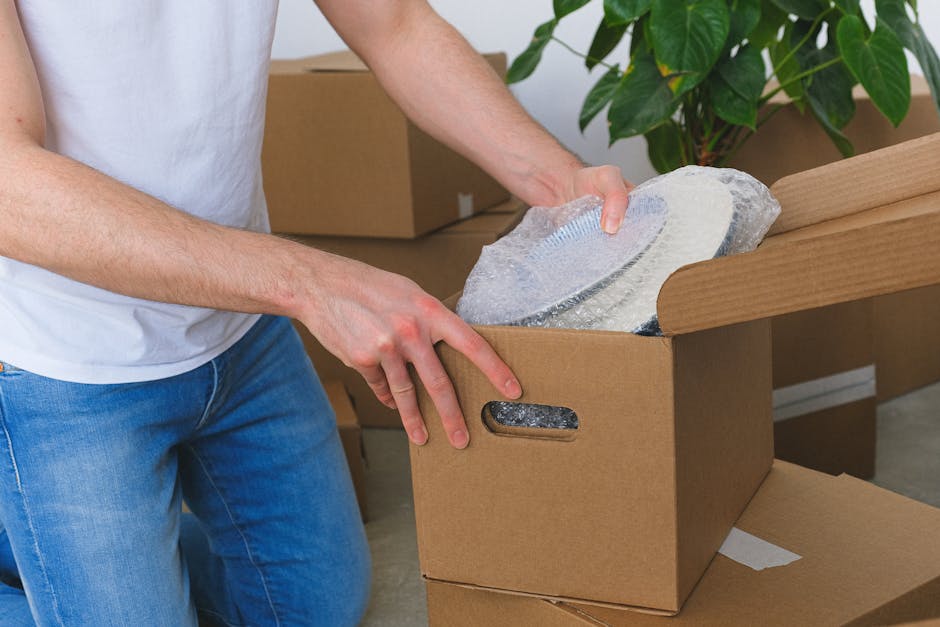
Use a gentle first layer against the item, then a protective outer layer for impact. The goal is to stop movement while avoiding pressure points. For fragile handles, protruding carvings, or ornamental edges, add extra padding so that the load is spread more evenly.
Never allow hard surfaces to touch each other inside the same wrap. A wrapped plate still chips if it can strike another plate. Common sense, yes - but it is exactly the sort of detail that gets missed on a hectic day.
5. Box or crate according to size and value
Small valuables and breakables are often safest in a snug box with void fill around them. Larger antiques may need a custom crate, particularly if they have unusual dimensions or fragile projection points. The more valuable and delicate the item, the more you should consider rigid protection rather than only soft wrapping.
Boxes should be strong enough for the item's weight. An overloaded carton is a bad idea, even if it "closes fine." It may not survive the third lift, which is usually when the trouble starts.
6. Label clearly and consistently
Mark boxes with the item name, room, orientation, and handling note, such as "This side up," "Fragile," or "Do not stack." Use clear labels, not tiny handwriting that only you can decode after a long day. If several people are involved, simple labels save time and mistakes.
For antiques, consider adding a brief contents note and a condition note. That way, you can check the item against the pre-move photos after unloading.
7. Load in the right order
Fragile antiques should usually be loaded so they are secure, accessible, and not crushed by heavier items. Use straps, padding, and stable placement. Heavy boxes should not sit on top of items with thin frames, glass, or decorative legs. Keep movement to a minimum by filling gaps carefully.
If you are hiring a vehicle, make sure it is suitable for the volume and fragility of the load. A properly sized moving truck or vehicle hire option can be more efficient than trying to make a smaller van do too much.
8. Drive smoothly and unload with the same care
Transport is not just about getting from A to B. Sudden braking, sharp turns, and rough surfaces create vibration and impact. Drive cautiously and avoid stacking fragile items where they can shift.
At the destination, unpack in a clean, dry, well-lit area. Inspect each item before removing all the wrapping. If anything has moved or been stressed, you want to notice early rather than after the packing materials are already discarded.
| Task | Best practice | Common mistake |
|---|---|---|
| Inspection | Photograph condition and weak points before packing | Skipping photos and relying on memory |
| Wrapping | Use a soft inner layer plus impact protection | Wrapping directly in a single thick layer only |
| Boxing | Select a snug, strong container | Using oversized boxes with too much movement |
| Labelling | Mark orientation and fragility clearly | Vague labels that nobody understands |
| Loading | Keep heavy items away from delicate pieces | Stacking by convenience instead of stability |
Expert Tips for Better Results
Once the basics are covered, the difference between a decent move and a genuinely safe one usually comes down to the small choices.
Use two people for awkward items. Even if an antique is not especially heavy, it may be unbalanced, long, or slippery. A second set of hands gives you better control, especially on stairs.
Protect the weakest point, not just the biggest surface. For many items, the risk is not the main panel but the legs, handles, corners, mirror edges, or decorative trim.
Keep humidity and damp in mind. Old wood, paper-backed furniture, and textiles can react poorly to moisture. If the weather is wet, keep items covered while moving between the property and the vehicle.
Do not over-tighten straps. Straps secure items, but excessive pressure can mark finishes or distort delicate frames. Secure, yes; crushing, no.
Prepare the destination room in advance. If you are moving antiques into a new home, place felt pads, clear surfaces, and measure doorways before arrival. A careful unload can still be spoiled by a cluttered landing or an unmeasured turn.
Keep a simple priority order. Unpack the most fragile and most valuable pieces first, while you still have focus and energy. That one principle prevents a lot of careless stumbles at the end of the day.
And if you are unsure about transport conditions, get reassurance before the move rather than afterwards. Reviewing health and safety information and service details is a sensible part of that process.
Common Mistakes to Avoid
Most antique damage is preventable. These are the errors that show up again and again.
- Using the wrong packing material: rough fabrics, printed paper, or weak cardboard can damage finishes or fail under pressure.
- Leaving loose parts attached: a removable handle, mirror, or shelf can break during transport if not secured separately.
- Overpacking one box: too much weight makes lifting unsafe and increases the chance of collapse.
- Allowing movement inside the container: items should not rattle, slide, or tilt.
- Stacking by convenience: heavy boxes on top of fragile ones is a classic shortcut with expensive results.
- Failing to document condition: photos and notes are practical safeguards, not bureaucracy.
- Ignoring old repairs: previously repaired items often need extra caution because they may already be structurally weaker.
- Forgetting route planning: tight corners, stairs, and uneven ground should be considered before moving day.
There is also a quieter mistake: assuming a professional mover will automatically know that a particular piece needs special treatment. Some will, some will not. Clear instructions and visible labelling are still the smart move.
Tools, Resources and Recommendations
You do not need a warehouse of specialist equipment, but the right tools make antique moving much safer.
- Microfiber cloths and soft brushes: for light cleaning before wrapping.
- Acid-free tissue and plain wrapping paper: useful for protecting delicate surfaces.
- Bubble wrap and foam sheets: for impact protection, especially around edges and corners.
- Double-walled boxes: better for smaller fragile items than thin cartons.
- Moving blankets: ideal for larger wooden items and outer protection.
- Corner guards: especially helpful for mirrors, frames, and furniture edges.
- Strong tape and marker pens: for sealing and clear labelling.
- Straps and load-securement equipment: to reduce shifting in transit.
- Furniture sliders or lifting aids: useful for reducing strain when moving heavier antiques.
For people who would rather not coordinate all of this themselves, a service that includes about us information, clear support channels, and transparent booking terms can be helpful. If you need to check a provider's expectations before booking, the pages on terms and conditions and contact options are worth reviewing.
If sustainability matters to you, ask about reusable packing materials or disposal arrangements for waste wrapping. A provider with a sensible recycling and sustainability approach can reduce unnecessary waste without compromising protection.
Law, Compliance, Standards, or Best Practice
For most households, antique moving is not about navigating complex regulation. Still, a few practical standards and expectations are worth keeping in mind.
Insurance and declared value: if an item is especially valuable, check whether your mover's insurance arrangements are suitable and whether any conditions apply to packing by the owner versus packing by the operator. Policy wording matters, so read it carefully rather than assuming every risk is covered in the same way.
Health and safety: lifting heavy, awkward, or fragile items should be done using safe manual handling practices. That means planning the route, using enough people, avoiding twisting lifts, and taking care on stairs. The general principle is simple: if an object is bulky or unstable, do not "just wing it."
Professional conduct: reputable operators should be clear about how fragile items are handled, what level of packing is included, and what exclusions or limitations apply. If you are unsure, ask before the move.
Consumer clarity: written quotes and service descriptions are helpful because they reduce confusion. In a moving context, clarity is a safety feature. It helps everyone understand who is responsible for packing, loading, transport, and unloading.
Where a move is part of a larger house move, service quality, communication, and safety information are all part of the same picture. It is sensible to work with companies that present these details plainly rather than burying them. That is one reason pages like insurance and safety and payment and security can be useful before you commit.
Options, Methods, or Comparison Table
Different antique moving methods suit different situations. Here is a straightforward comparison.
| Method | Best for | Pros | Trade-offs |
|---|---|---|---|
| DIY move | Small, low-value, manageable items | Flexible, lower immediate cost | Higher risk if packing or handling is inexperienced |
| Professional packing only | Owners who can handle transport but not packing | Better protection where it matters most | Transport risk still remains if loading is poor |
| Full removal service | Multiple fragile items or larger moves | Most coordinated and efficient | May cost more, depending on scope |
| Specialist move support | High-value, awkward, or heavily sentimental antiques | Most tailored handling | Requires more planning and often more budget |
As a rule of thumb, the more unusual, valuable, or structurally vulnerable the item, the more the safest option shifts away from improvised DIY handling. That is not fearmongering; it is just a realistic reading of risk. A large carved cabinet does not care how confident you feel on the day.
Case Study or Real-World Example
Consider a family moving from a period terrace into a new home across the city. They have a pair of antique chairs, a framed mirror, a china cabinet, and a small inlaid table inherited from a grandparent. None of the pieces is museum-grade, but each has value and all are vulnerable in different ways.
Instead of packing everything together, they separate the move into categories. The mirror is wrapped with edge protection and kept upright. The chairs have their loose cushions and any removable parts packed separately. The cabinet shelves are removed, labelled, and padded. The table is wrapped first in soft paper and then in a blanket to protect the finish. Each item is photographed before loading.
On the day, the movers clear the route first, check door clearances, and load the heaviest items low and the fragile pieces in stable positions. The result is not dramatic. That is the point. Good antique moving is often quietly successful, with no broken glass, no scraped veneer, and no "we'll deal with that later" surprises.
The family later says the biggest benefit was not the packing itself, but the sense that nothing had been left to chance. That is exactly what a solid checklist is supposed to deliver.
Practical Checklist
Use this checklist as a final pre-move review. If an item does not feel right, pause and fix the issue before loading.
- Inspect each antique for loose parts, cracks, chips, and weak joints.
- Photograph all items from multiple angles before wrapping.
- Clean dust and grit from surfaces with a soft cloth or brush.
- Remove detachable pieces, if safe to do so, and store them separately.
- Choose suitable wrapping: soft inner layer plus protective outer layer.
- Use strong, correctly sized boxes or crates for smaller items.
- Pad corners, edges, handles, and other protruding parts.
- Ensure no movement inside the package.
- Label boxes clearly with fragility, orientation, and contents.
- Keep fragile antiques away from heavy, unstable, or sharp items in the vehicle.
- Secure the load so it cannot slide during braking or turning.
- Prepare the destination room before unloading.
- Inspect items again immediately after arrival.
- Keep photographs and notes until the move is fully complete.
If you are comparing services, looking at pricing and quote information can help you plan ahead with fewer surprises. For many people, that is the sensible next step after the checklist is done.
Conclusion
Moving fragile antiques without damage is entirely possible, but only when the move is treated with respect. The best protection comes from preparation: inspect carefully, pack correctly, label clearly, load thoughtfully, and transport with restraint. That may sound simple, but simple is not the same as easy. The details matter.
The real lesson is that antique moving is a chain. If one link is weak, the whole process becomes less secure. When you follow a proper checklist, you reduce risk, save time, and give your items the kind of care they deserve. And if the move feels too complex, there is no prize for doing it the hard way.
Get a free quote today and see how much you can save.
Frequently Asked Questions
What is the safest way to move fragile antiques?
The safest method is to inspect each item, remove loose parts, wrap it in protective layers, pack it in a snug container, and secure it carefully in the vehicle so it cannot shift.
Should I wrap antiques in bubble wrap directly?
Usually not on its own. A soft first layer is often better for delicate finishes, with bubble wrap or foam added as the outer impact layer. This reduces the chance of surface marking.
Can I use blankets instead of proper packing materials?
Moving blankets are useful for outer protection, especially for furniture, but they should not be the only protection for fragile surfaces or delicate ornaments. They work best as part of a layered system.
How do I pack antique glass or mirrors?
Protect edges carefully, add a soft layer to the face, keep the item upright, and make sure it cannot slide. Mirrors and glass are particularly vulnerable to edge impact and flexing.
Is it worth hiring professionals for a small number of antiques?
Often yes, if the items are valuable, unusually shaped, or emotionally important. Even one damaged heirloom can cost more than professional handling would have.
What should I do with loose parts like shelves or ornaments?
Pack them separately, label them clearly, and keep them with the corresponding item. Loose components are easy to misplace and can damage the main piece if left attached.
How far in advance should I prepare antiques for a move?
Ideally several days before moving day, especially if inspection, cleaning, disassembly, or special wrapping is needed. Rushing antique packing is rarely a good idea.
Do antiques need special insurance during a move?
They may, depending on their value and the mover's policy terms. Always check what is covered, whether packing by the owner affects cover, and what documentation you need.
What is the biggest mistake people make when moving antiques?
The most common mistake is underestimating how fragile the item really is. People often focus on weight and forget about vibration, movement, old repairs, and pressure points.
How can I tell if an antique needs custom crating?
If the item is unusually valuable, irregularly shaped, heavily glazed, very fragile, or has protruding parts that are hard to protect with standard boxes, custom crating is often worth considering.
Should antiques be loaded first or last into the van?
It depends on the layout, but the key aim is stability and protection. They should be loaded where they will not be crushed, squeezed, or forced to shift during transport.
Where can I find more information before booking a move?
Review the mover's service pages, safety information, pricing details, and contact information so you understand what is included and how fragile items will be handled.